Platform Architecture & History
An objective analysis of the Torzon Link ecosystem, infrastructure capabilities, and operational milestones.
Executive Summary
Torzon Link functions as a decentralized marketplace hosted exclusively within the Tor network as a hidden service. Unlike traditional e-commerce platforms, it utilizes onion routing to obfuscate server locations and participant identities. The platform was established to facilitate peer-to-peer exchange of digital goods and services, employing advanced cryptographic techniques to ensure anonymity.
The architecture of Torzon is notable for its stringent vendor verification processes and the implementation of multi-signature escrow systems. While primarily known for its role in the darknet economy, technical observers often study Torzon for its resilience against Distributed Denial of Service (DDoS) attacks and its implementation of wallet-less payment protocols.
Research indicates that the platform operates on a custom-built backend, distinct from common market scripts like Eckmar or Tochka, prioritizing strict PGP enforcement for all administrative communications.
Platform Data
Interface Analysis
Visual documentation of the Torzon Link user interface, highlighting specific security features such as anti-bot challenges and encrypted dashboards.
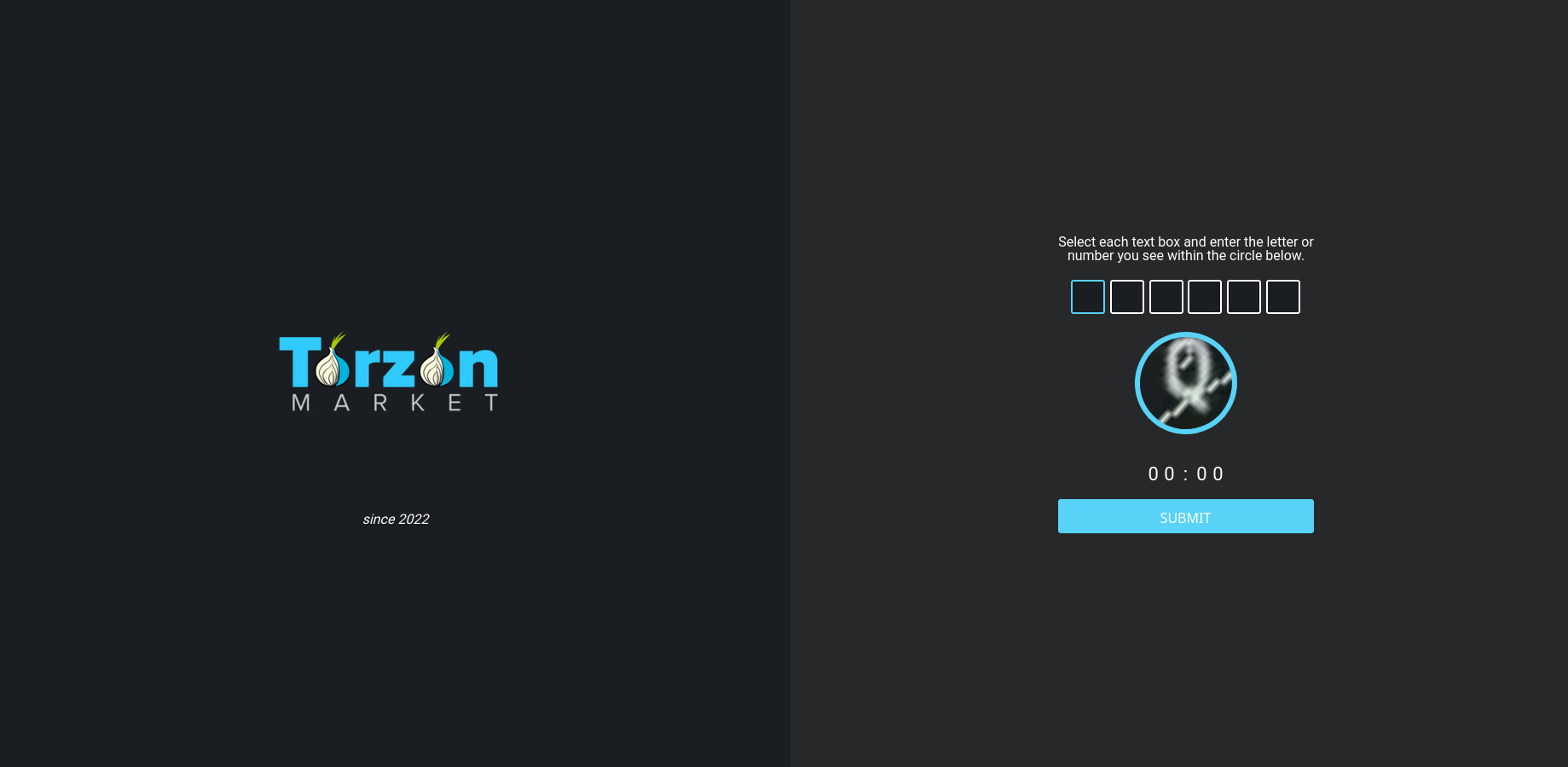
Automated Turing Test
Before accessing the main index, users are routed through a queue system that presents a complex rotating CAPTCHA. This layer mitigates Layer 7 DDoS attacks by verifying browser integrity.
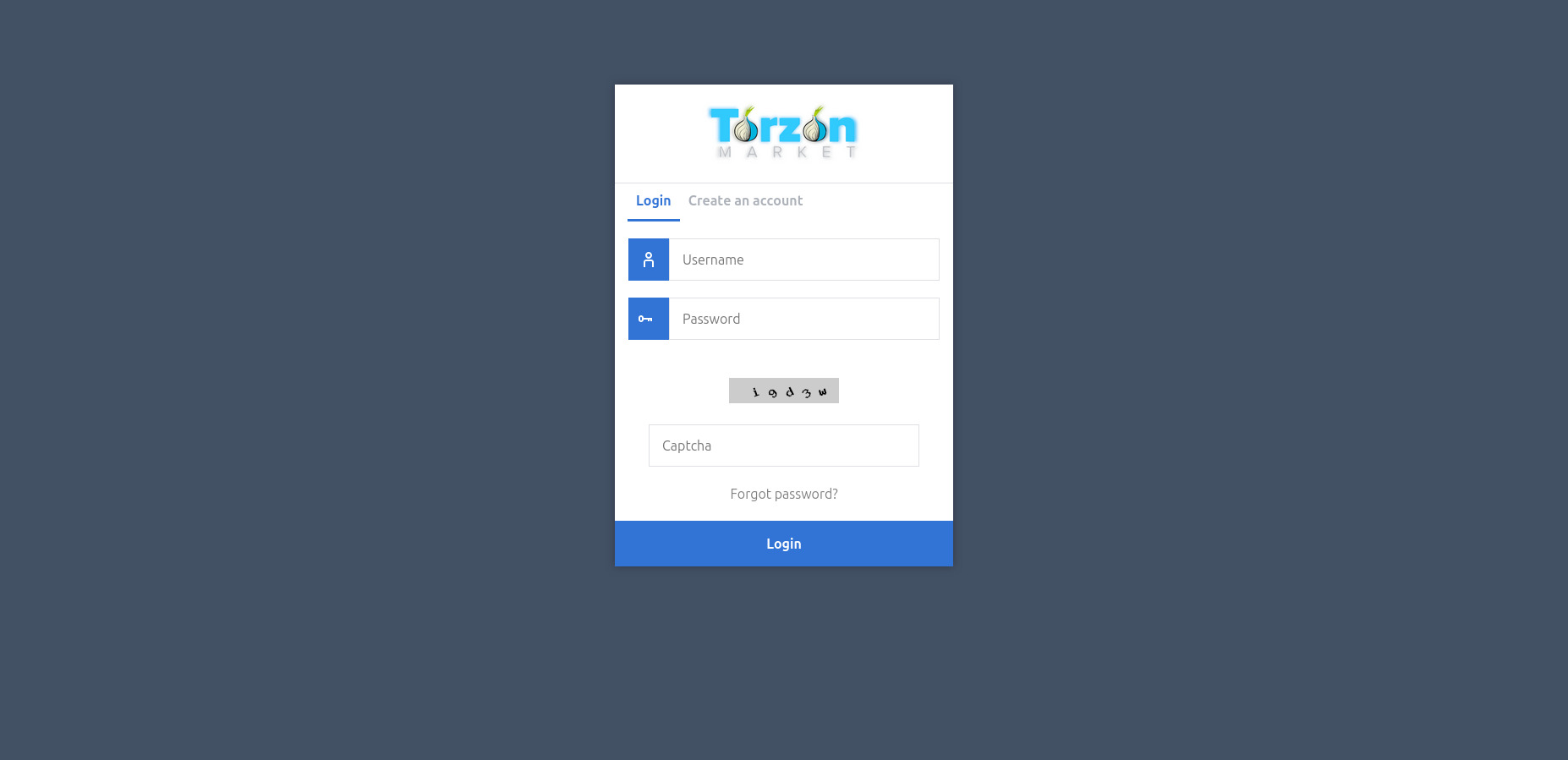
Encrypted Authentication
The login portal supports 2FA via PGP decryption. Users must decrypt a random string using their private key to prove identity, preventing credential stuffing attacks.
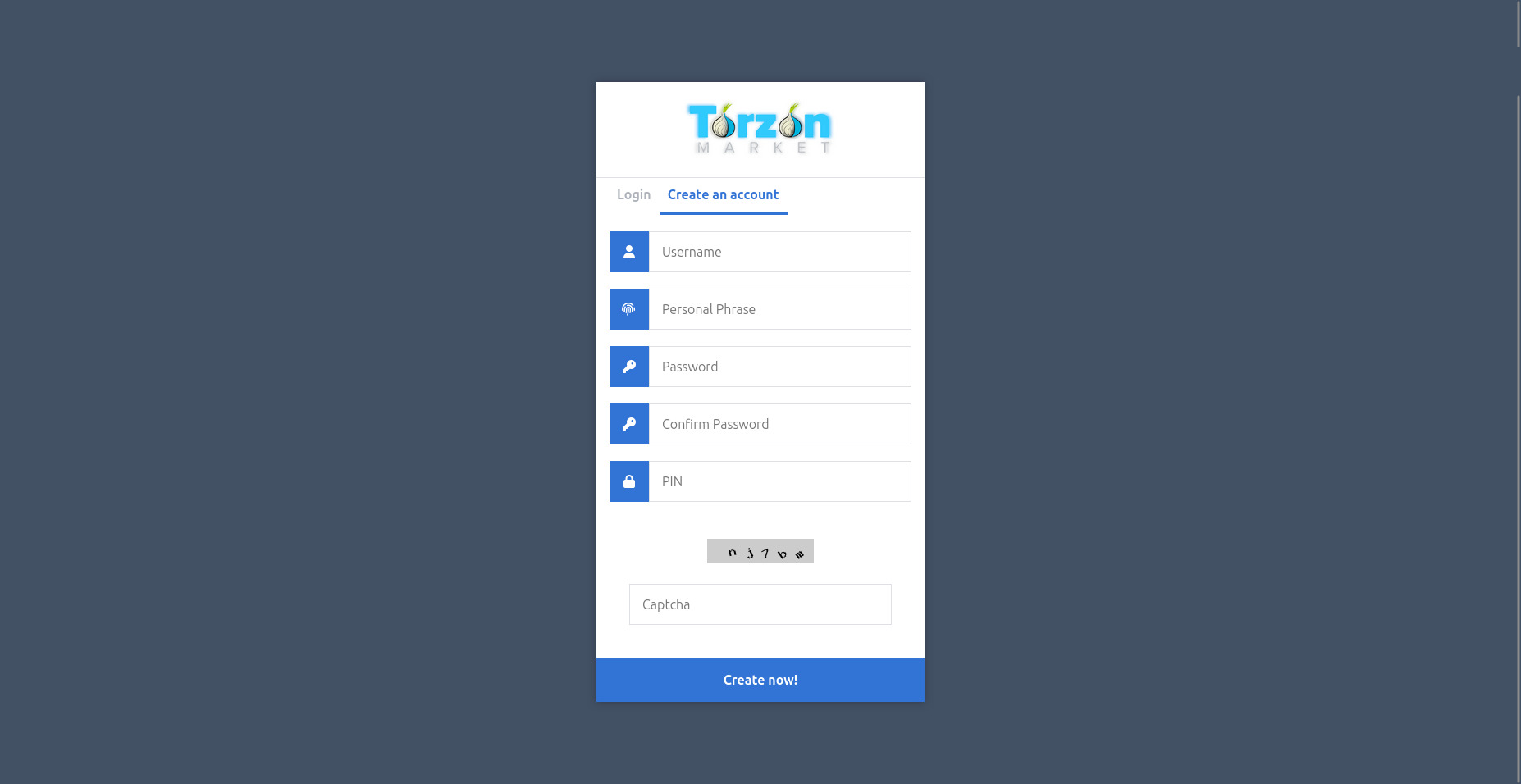
Anonymous Registration
The registration flow requires minimal data retention. No email addresses are collected. Accounts are identified solely by unique cryptographic hashes generated upon creation.
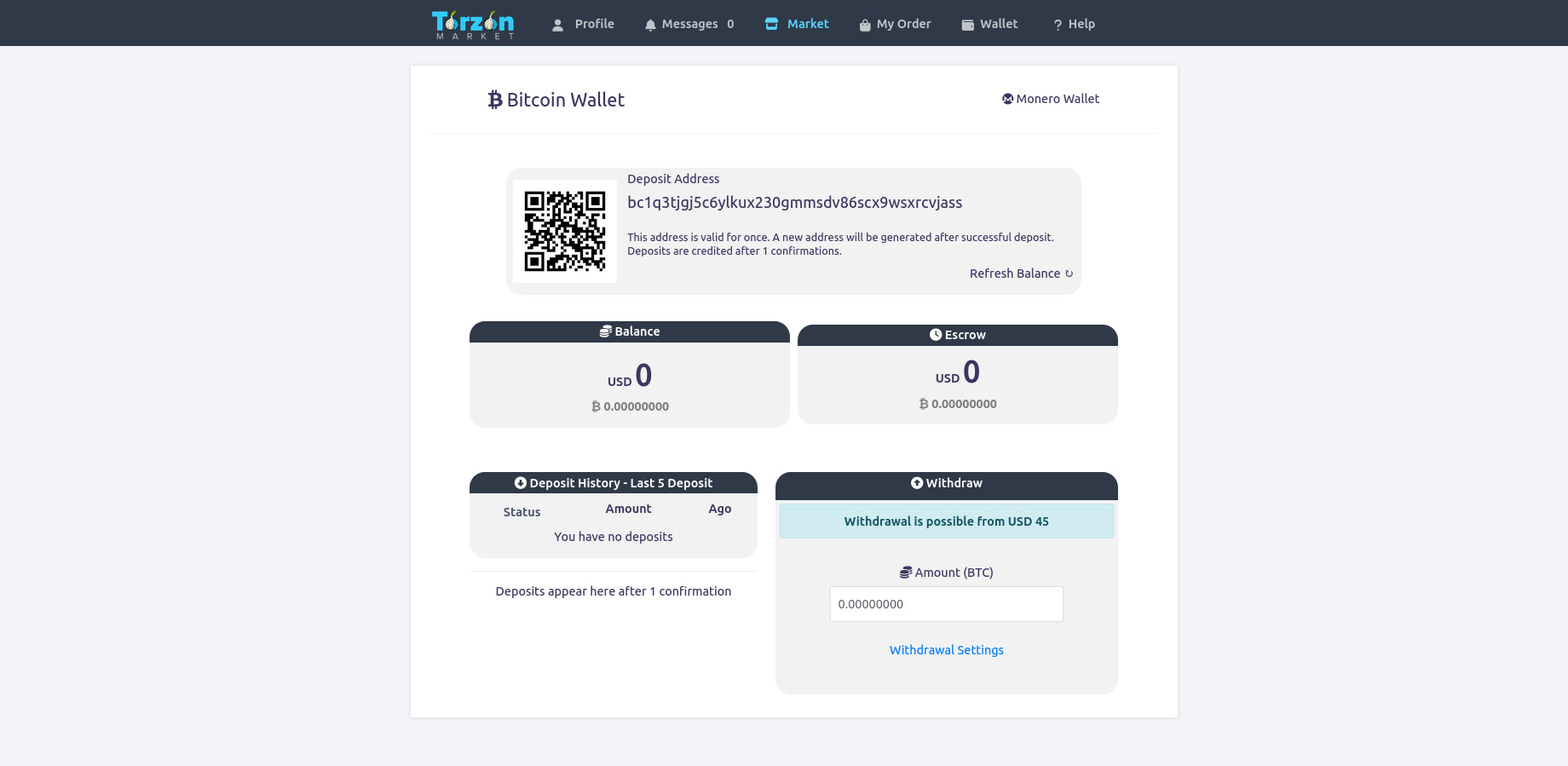
Marketplace Dashboard
The central hub provides real-time notifications, wallet balances (XMR/BTC), and order statuses. The interface is optimized for low-bandwidth Tor connections.
Development Timeline
Platform Inception
Torzon Link is first identified by security researchers. Initial release focused on stability and basic escrow functionality. Early adoption was driven by vendors migrating from defunct marketplaces.
Monero Integration Update
A major infrastructure update introduced native Monero (XMR) support alongside Bitcoin. This update also included the "Walletless" payment system, allowing direct payments to invoices to reduce custodial risk.
Mirror Rotation System
In response to increased network congestion and DDoS attempts, Torzon implemented a dynamic mirror rotation system. Verified mirrors are now cryptographically signed to prevent phishing.
Current Operations
The platform continues to operate with high uptime stability. Current research focuses on the efficacy of their dispute resolution center and automated vendor bonding systems.